Entry · Ref WMXKMSRS
How Humidity Control, Ventilation, and Fast Cleanup Support Long-Term Remediation Aftercare
- Posted
- 2026-10-19
- Last amended
- 2026-10-19
- Account
- @sunstatecare751
A remediation job is not really finished when the visible mess is gone. That is the part many property owners miss, especially after a leak, storm intrusion, smoke event, or mold problem. The cleanup phase gets the attention because it is urgent and disruptive. The aftercare phase is quieter, less dramatic, and just as important.
Long-term success usually comes down to three habits that sound simple but are often handled poorly: controlling humidity, improving ventilation, and cleaning up quickly when new moisture or debris appears. When those pieces stay in place, the odds of recurrence drop. When they do not, even solid remediation work can be undermined by the building itself.
This is especially true in Central Florida, where indoor moisture management is not a seasonal concern. It is an everyday building issue. In a region where afternoon storms, storm-related outages, and heavy outdoor humidity are common realities, aftercare is not optional. It is the difference between a property that stabilizes and one that slides back into odor, staining, hidden dampness, or mold growth.
Aftercare is what protects the remediation work
Remediation addresses a problem that already happened. Aftercare helps make sure it does not come right back. That sounds obvious, but it is where a lot of expensive projects lose ground.
Take a straightforward water loss. The extraction and drying may go well. Damaged materials get removed, wet cavities are opened where needed, and the building is brought back under control. Then life resumes. A week later, someone shuts off a dehumidifier too early, keeps bathroom doors closed with no exhaust fan running, or ignores a small drip under a sink cabinet. That is often all it takes. Florida health guidance is very clear that mold is strongly linked to moisture, and standing water for even 24 hours can allow common molds to take hold. Once that happens, the original restoration work is no longer the whole story.
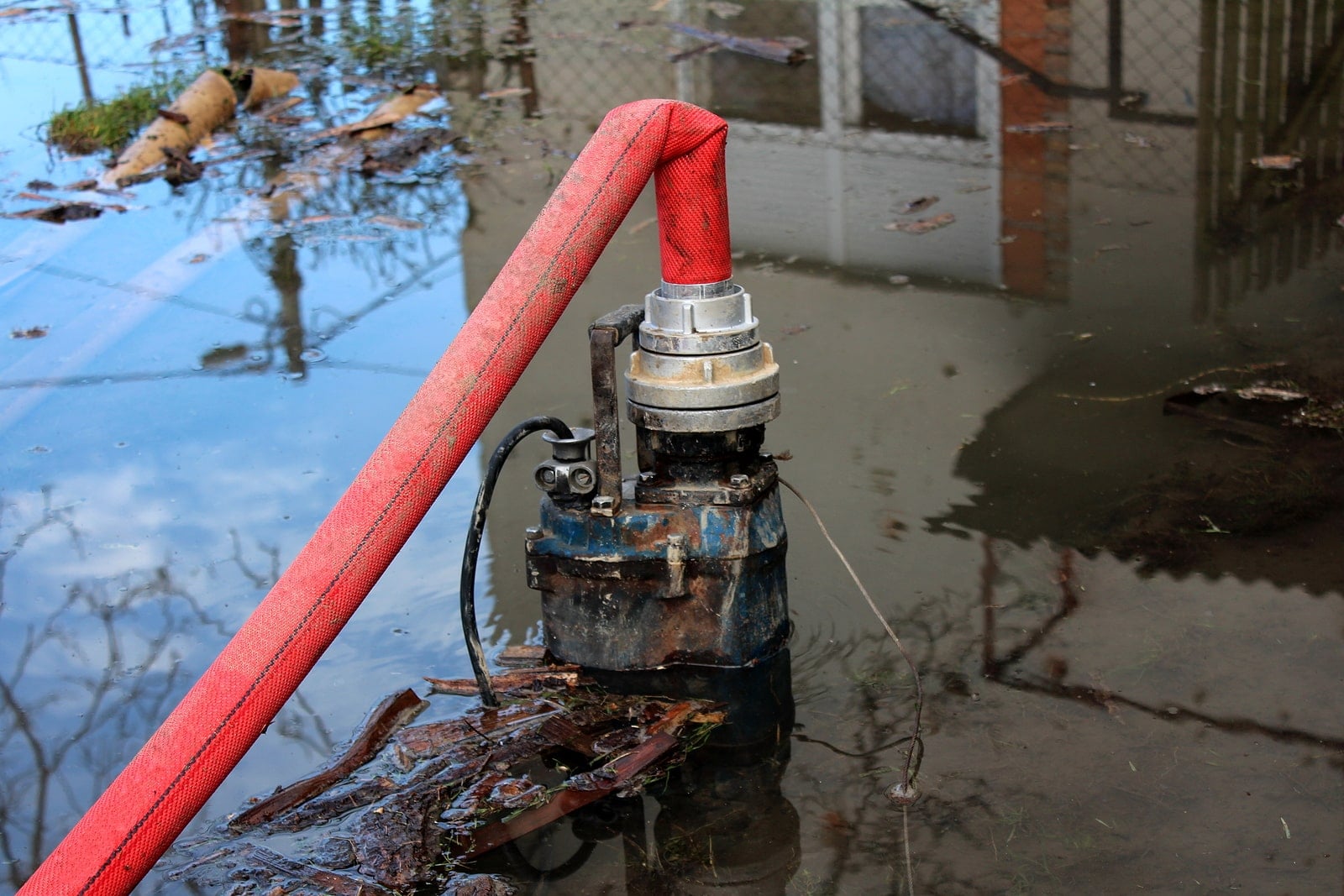
The same pattern shows up after mold remediation Lake County homeowners deal with, or after water damage restoration Central Florida properties need following roof leaks and plumbing failures. The initial work matters, of course, but the building has to stay dry enough afterward to remain stable.
I have seen rooms that looked perfectly clean on handoff become musty again because indoor humidity stayed too high day after day. I have also seen properties with limited visible damage stay in good shape for years because the owner took aftercare seriously, ran the home correctly, and responded fast to the first sign of moisture. Those cases are not glamorous. They are disciplined.
Humidity is the quiet driver behind repeat problems
If there is one factor that keeps showing up across mold, odor, and post-water-loss callbacks, it is uncontrolled humidity. Florida health guidance says indoor humidity should be kept below 60 percent. That threshold matters because moisture does not need to show up as a puddle to create trouble. It can build slowly on supply boots, around windows, inside closets on exterior walls, or in areas with poor air movement.
People often assume their air conditioner is handling this automatically. Sometimes it is. Sometimes it is not. If a central HVAC system needs a dehumidifier to get below 60 percent relative humidity, Florida guidance says the air conditioning system should be examined for problems. That is an important point because many owners try to solve a system issue by masking it with a portable unit.
A healthy aftercare plan starts with knowing what the space is actually doing. Not guessing, not relying on how it feels. Relative humidity is measurable, and in humid climates that number tells you a lot. If the building keeps drifting above 60 percent indoors, that is not just a comfort issue. It is https://cleanupguide298.fotosdefrases.com/hurricane-season-preparation-florida-a-groveland-homeowner-calendar-from-june-through-november a warning sign.
High humidity can also complicate odor elimination. A room may seem clean after remediation, but if moisture lingers in porous materials or air circulation is weak, odors can resurface. That is one reason post-remediation spaces should not only look dry. They should operate dry.
Why humid rooms fool people
One reason humidity gets overlooked is that the signs are subtle at first. A property owner may notice the air feels heavy, or a closet smells stale, or the supply vent has light spotting that wipes off and comes back later. They may think it is housekeeping, or that the room “just gets like that in summer.” In practice, those small clues often point to an environment that never quite stabilized after the original event.
This becomes even more relevant when HVAC mold is suspected. Florida health guidance notes that if HVAC may be contaminated with mold, homeowners should consult EPA guidance before taking further action. That caution matters because people often want a fast answer and start taking systems apart or spraying products where they should not. When air handling components are involved, judgment matters. So does restraint.
Ventilation is not the same thing as moving air
A lot of people use the word ventilation when they really mean airflow. They are related, but not identical.

A ceiling fan moves air across your skin. An air conditioner circulates conditioned air through the home. A bath fan, kitchen exhaust, or properly functioning building system helps remove moisture-laden air from where it is created. That distinction matters in aftercare because many repeat problems happen in spaces that have air movement but poor moisture removal.
Bathrooms are a classic example. The room may feel comfortable enough, yet steam accumulates daily and the surfaces stay damp longer than they should. Laundry rooms can do the same. So can garages converted into living spaces, storage rooms with limited supply and return air, or closed-off guest rooms that rarely get opened up.
Good ventilation in aftercare is less about dramatic fixes and more about practical operation. You want moisture to leave the space instead of settling into surfaces and staying there. That is one reason Florida health guidance consistently ties mold prevention to moisture control and ventilation. In humid regions, trapped air and trapped moisture often travel together.
The edge case people forget after smoke or fire work
After fire damage restoration, ventilation becomes trickier. Property owners often want to open everything up and air the place out. Sometimes that helps with comfort in the short term. Sometimes it works against the drying and odor-control strategy, especially if outdoor humidity is high. This is where aftercare is not a generic formula. A building recovering from smoke residues, wet suppression efforts, or both needs a plan that fits conditions inside and outside the structure.
IICRC standards exist for this reason. Relevant standards cover water damage restoration, mold remediation, HVAC assessment after water, fire, or mold damage, and fire and smoke damage restoration. The takeaway for owners is simple: aftercare works best when it follows the logic of the original remediation, not just common sense shortcuts.
Fast cleanup changes the outcome more than people expect
There is a narrow window after a new moisture event when the response is straightforward. Miss that window, and the scope can expand fast.
CDC guidance for disasters emphasizes that drying a home and removing water-damaged items is the most important step to prevent mold damage after flooding. That advice applies beyond major flooding. A washing machine overflow, roof leak, overflowing tub, or storm-driven water entry can all create the same basic problem: materials stay wet long enough for secondary damage to begin.
Prompt cleanup is not about perfection. It is about speed and priorities. Remove standing water. Separate wet items from dry ones. Increase drying. Pay attention to absorbent materials. The longer moisture sits, the less forgiving the building becomes.
I have watched two nearly identical water incidents go in completely different directions based on the first 24 hours. In one case, the owner acted immediately, got wet contents out of the way, and kept the area exposed for drying. In the other, the leak was “not that bad,” a rug stayed in place, a closet remained closed, and the dampness was left to work quietly. A few days later, the second property had a much more complicated problem.
That is why 24/7 emergency restoration services matter in practical terms. The value is not just convenience. It is the ability to start controlling conditions before they worsen overnight or over a weekend.
What strong aftercare looks like in real life
Most successful aftercare programs are not elaborate. They are consistent. The best ones usually include a few core habits that owners and occupants actually follow.
- Keep indoor humidity below 60 percent and verify it with a reliable reading rather than guesswork.
- Dry and clean water intrusions quickly, especially in porous or enclosed areas.
- Use ventilation where moisture is generated, such as bathrooms, laundry spaces, and kitchens.
- Investigate moisture that returns, rather than repeatedly treating the surface symptom.
- Have the HVAC system examined if it cannot maintain proper indoor humidity without extra help.
None of that is flashy. All of it works.
The fourth point deserves extra attention. Florida health guidance notes that if mold returns quickly, an underlying leak or moisture source should be fixed first. That sounds basic, but it is one of the most common failure points in residential and light commercial settings. People scrub, paint, deodorize, and replace furnishings before resolving the actual moisture driver. The result is predictable.
After storms, the aftercare burden gets heavier
Storm damage restoration Florida properties require often includes a messy overlap of water intrusion, humidity spikes, debris, and disrupted building operation. Sometimes power loss is part of the story. Sometimes windows or roofing systems are compromised. Sometimes floodwater or contaminated runoff changes the safety profile of the cleanup.
That is where fast action and judgment both matter. A storm-damaged property may need drying, selective removal of wet materials, and careful cleaning before normal occupancy makes sense. If conditions involve contamination, the work can move into biohazard cleanup territory depending on what entered the structure and where. Property owners do not need to self-diagnose every category, but they do need to understand that not all wet messes are equal.
The practical lesson is this: once a storm event is over, the race is not just to make things look normal. It is to stabilize the environment before hidden moisture, odors, or microbial growth become the second disaster.
Central Florida owners know this rhythm well. One hard rain event can be isolated. A week of repeated storms can turn a small weakness in the building envelope into a broader interior problem. That is why aftercare should continue after the visible drying phase. The building has to prove it can stay dry under normal use again.
Special materials call for a different level of caution
Not every aftercare decision is about mold or humidity alone. Older buildings can contain materials that should not be disturbed casually after damage. EPA guidance says asbestos may be found in older homes and buildings, including materials such as floor tile, ceiling tile, pipe wrap, siding, or shingles. Renovation or damage can disturb those materials. If the material is damaged, or if planned work could disturb it, EPA advises using a properly trained and accredited asbestos professional.
That has direct relevance after leaks, storms, or partial demolition. A person may be focused on drying and cleanup without realizing that damaged ceiling texture, old pipe insulation, or flooring mastics can add a different risk category. Florida’s asbestos program is intended to minimize the release of asbestos fibers during abatement, remediation, handling, and disposal of asbestos-containing materials. In the Central District context, that can legitimately include places across Lake, Orange, Seminole, and Osceola counties.
So if a project involves suspected asbestos-containing materials, the aftercare conversation changes. This is no longer a matter of wiping things down and improving airflow. It becomes a matter of not disturbing suspect materials further and bringing in the right professional support. For readers searching for asbestos abatement Groveland FL services, that distinction is important. Moisture problems and regulated materials can overlap, and when they do, casual cleanup can make conditions worse rather than better.
The HVAC system often tells the truth first
When a building has had moisture trouble, the HVAC system often shows the earliest signs of incomplete aftercare. Not always, but often enough that it deserves attention.
Maybe the home feels clammy even when the thermostat says the temperature is fine. Maybe certain rooms stay stale. Maybe there is repeat spotting around registers. Maybe occupants notice odor changes when the system starts up. Those clues do not automatically mean the system is contaminated, but they do mean the building is worth evaluating with care.
This is one area where IICRC-certified remediation teams and qualified mechanical professionals bring real value. The standards relevant to HVAC assessment after water, fire, or mold damage exist because these cases can be deceptively complex. A return-side issue, a drainage problem, poor humidity control, and prior contamination can all produce overlapping symptoms.
A common mistake is treating the duct system like the entire problem when the actual issue is moisture control at the building level. Another is assuming the HVAC is fine because it cools well. Cooling and dehumidification are related, not identical. A system can hit temperature and still leave the space too damp.
When odors linger, look for moisture before masking the smell
Odor elimination is one of the most misunderstood parts of aftercare. People understandably want the property to smell clean after remediation. But if odor returns after a short period, the smell is often acting like a messenger. It may be pointing back to hidden moisture, inadequate drying, or stagnant air.
This is especially true after water losses and some fire events. A deodorizing step can help, but it is not a substitute for a dry building. If porous materials remain damp, or if enclosed spaces never fully normalized, the odor issue may outlast surface cleaning.
That is why I usually tell owners to pay more attention to patterns than intensity. A smell that appears only when the AC kicks on, only after a shower, only in one closet, or only after heavy rain is giving useful information. It narrows the hunt. General masking products can make that harder to read.
A simple response plan beats good intentions
Aftercare falls apart when nobody knows what to do the next time something small happens. It helps to have a short, practical plan in mind.
- Treat any new moisture event as time-sensitive, even if it looks minor.
- Remove wet items from contact with flooring or walls as soon as possible.
- Increase drying and ventilation right away where appropriate.
- Monitor for recurring dampness, odor, or visible growth in the days that follow.
- Escalate quickly if the source is unclear, the area stays wet, or regulated materials may be involved.
That plan works because it is realistic. It does not require technical expertise from the occupant. It just shortens the delay between event and response.
Why the best remediation companies talk about aftercare early
One sign of a thoughtful contractor is that they discuss aftercare before the job is even over. Not as an upsell, but as part of the handoff. If a team handles mold remediation Lake County projects, water damage restoration Central Florida losses, fire damage restoration, or storm response work regularly, they know the job is only as durable as the conditions that follow it.
That is also where the phrase IICRC-certified remediation has practical meaning for many owners. It signals that the company is working within established standards relevant to the type of loss, whether that involves water, mold, fire and smoke, or HVAC assessment after those events. It does not guarantee perfection, but it does suggest a framework that takes the post-remediation environment seriously.
The buildings that do best after a loss are rarely the ones with the most dramatic equipment on day one. They are the ones where humidity is managed, ventilation is sensible, and cleanup happens fast every single time moisture reappears. That is the real backbone of long-term remediation aftercare.
When those three habits become routine, a property has a much better chance of staying clean, dry, and stable. And in Florida, that stability is hard-earned.